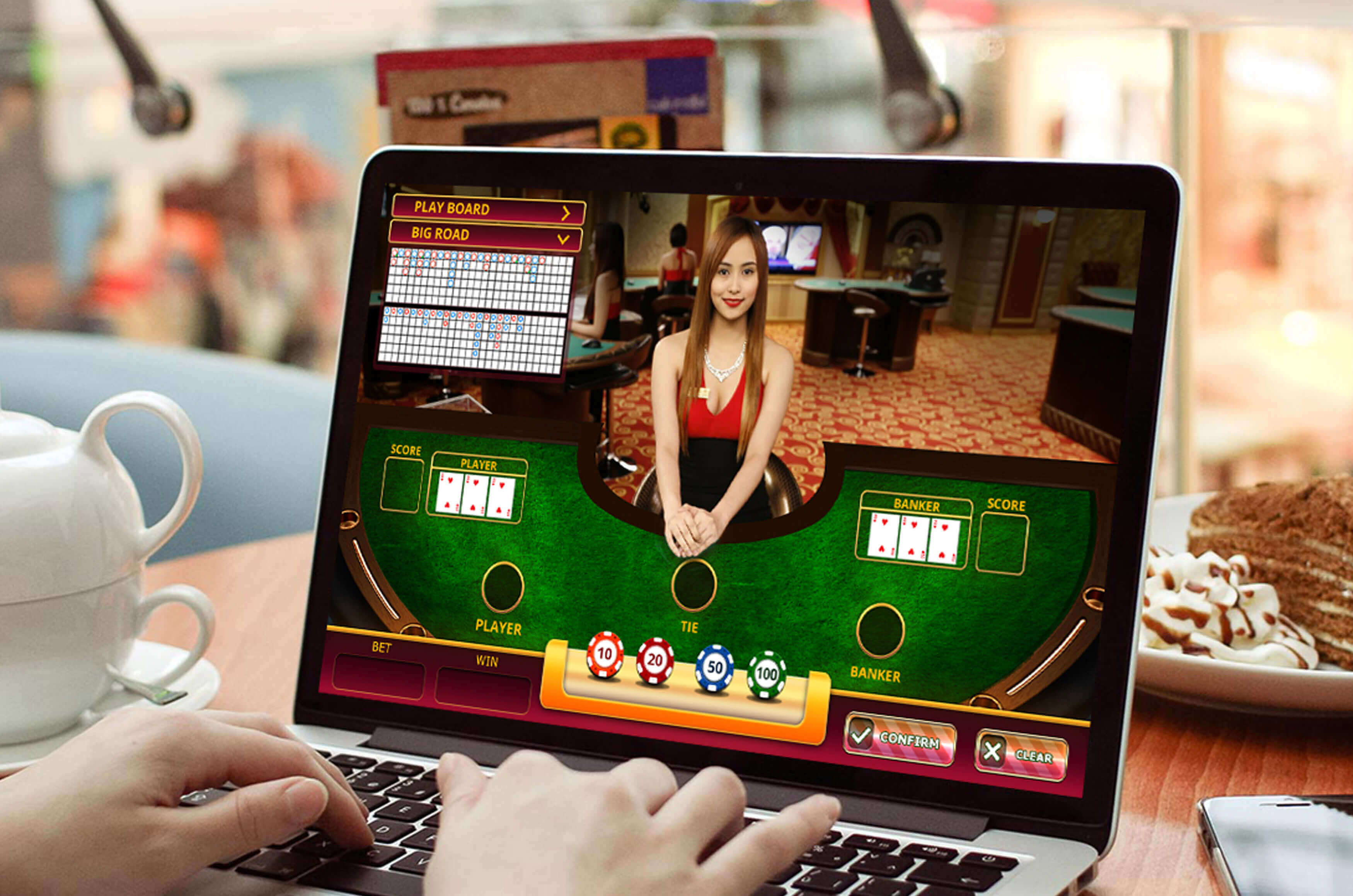
We have dedicated countless hours examining the architecture of modern slot games, and we consistently revert to a single, irrefutable truth: the most ingenious mathematical models and impressive visual effects mean nothing if the player cannot orient themselves around the interface. In our evaluation of Slot King Kong Splash Withdrawal Times, the navigational design does not merely operate as a background utility; it stands out as the primary reason for sustained engagement. We noted a fluidity that eradicates the cognitive friction usually associated with complex betting configurations. The developers have clearly prioritized a layout where every control seems exactly where our instincts expect it to be, creating an immediate sense of mastery from the very first spin.
Auto-spin and Enhanced Session Management
For those of us who prefer a more analytical observation style, the enhanced session management tools are a interface triumph. The autoplay configuration panel is a example of clear grouping. We found loss limits, single win limits, and spin counts compartmentalized into distinct visual cards, eliminating the blurring of combining financial controls with mechanical ones. Activating these limits seems robust, with clear on/off states that leave no doubt. We specifically valued the real-time session tracker that discreetly ticks down remaining spins or displays current loss thresholds without interfering on the main reel area. This lets us to maintain a organized approach to bankroll management while the base game navigation keeps to work with the same smooth responsiveness.
Wager Configuration and Bet Configuration Logic
We have experienced numerous slots where changing a bet appears like handling a tricky device, with confusing coin values and level multipliers. The setup logic here is a breath of fresh air. We appreciated the unidirectional slider that slides seamlessly from lowest to largest stake, paired with a clear numerical indication of the full stake. There are no hidden sections for coin sizes that accidentally change our preferences. The interface delivers a distinct visual delimiter between lower, middle, and high-value zones on the wager spectrum. We also noted the clever safety alerts; if we try to play with a significantly higher stake, a subtle, non-intrusive confirmation glow emerges, acting as a safeguard against unintended high-value stakes without breaking the flow of the game.
The Paytable and Access to Information
Transparency is a foundation of reliability, and we found the info structure here to be exceptionally forthright. Accessing the paytable does not trigger a distinct, slow-loading PDF or a convoluted multi-page guide. Alternatively, a fluid overlay moves into sight, presenting symbol payouts and payline charts with sharp, high-definition clarity. We could smoothly navigate through rule pages, and the slot remembered our place if we closed the panel in the middle. The text used is concise, steering clear of legalese where straightforward explanations are enough. Importantly, live figures within the paytable refresh in immediately to show our active bet multiplier. This real-time updating eliminates the mental math that often affects slot sessions, enabling us to quickly grasp the exact cash value of every possible pairing we are chasing.
Loading Speed of the Game and Persistence of State
Moving through the game commences well before the reels become visible; it initiates with the initial loading screen. We evaluated the startup sequence and found it adjusted to near-instantaneous readiness on a steady connection. The non-existence of aggressive, mandatory intro screens means we shift from intention to action in seconds. More crucially, the slot game demonstrates superb state retention. If connectivity wavers, the interface restores gracefully, returning our specific wager setup and game status without reverting to original settings. We not once had to re-navigate the bet settings after a momentary interruption. This dependability is a quiet, impactful element of smart design; it acknowledges our previous selections and erases the constant friction of reconfiguration, keeping the route back to the gameplay as short as possible.
The idea of Uninterrupted Player Flow
We consider that exceptional game design is hidden. When we analyze a slot, we actively search for moments of hesitation, those micro-pauses where the brain struggles to locate the reel button or the pay table. In this title, those moments are completely absent. The design philosophy seems to revolve around a circular eye-tracking pattern, directing our gaze effortlessly from the reels to the stake adjuster and back without needing side scanning. This is not an accident; it is a purposeful refusal of messy gaming interfaces. By removing visual noise and emphasizing tactile-like visual feedback, the studio has created an setting where the player’s concentration remains unbroken, letting us to center entirely on the increasing drama of the colossal ape’s feature activations.
Sound and visual Feedback as a Directional Guide
We seldom discuss sound in the context of navigation, but here it functions as a critical orienting tool. The interface employs a characteristic, multi-layered audio pattern for different action types. A soft, upward chime confirms a bet boost, while a deeper, more full click secures the spin. These sound cues deliver confirmation without forcing us to glance away from the reels. When we initiate a bonus feature, the complete soundscape transforms, indicating a modal change in the game state from a navigational standpoint before we even process the visual shift. This inter-sensory strengthening is crucial for players who depend on rhythm. The visual feedback is just as exact; winning lines are highlighted with directional pulses that trace the payline path, instructing us the layout of the game solely through celebratory animation.
Cell Responsiveness and Touch Refinement
We thoroughly examined the game over multiple display formats, and the flexible layout is genuinely remarkable. More than merely shrinking the desktop interface, the alignment shifts to a upright refined stack that acknowledges the handling of single-hand play. We observed that essential contact targets rarely fall below the recommended 48-pixel boundary, preventing the irritation of mistaps during high-risk special stages. The slide motions feel native to the device, not added on. When we rotated our displays, the restructuring of elements was prompt, with none layout breaking or content clipping. This devotion to adaptive architecture verifies that the mobile experience was the main plan, not an second thought, guaranteeing that movement remains instinctive regardless of the tool in our palms.
Uninterrupted Immersion and Overlay Visibility
We are uniquely attentive to layouts that scream for notice with glaring ads and pop-up buy offers. The layout here champions moderation. Messages for milestones or balance adjustments glide in from the periphery with a gentle dim, conveying data without hijacking the interaction zone. The fullscreen setting is authentically fullscreen, concealing application chrome and system trays to build a self-contained universe. When we viewed the game guidelines or history, the overlay maintained a high darkness base, effectively shading the wheels to shift the information forward in our sight structure. This management of sight layering guarantees that when we are exploring the options, we are not diverted by the play, and when we are playing, we are not badgered by the settings.
In summarizing up our detailed exploration, we conclude that the navigational framework of this game is its hidden killer aspect. Every slide, tap, and click seems premeditated to serve the gambler’s convenience and quickness. The design does not just allow spinning; it positively improves the thematic intensity by removing every possible hurdle between the player and the primal roar of the following huge prize. It serves as a benchmark for how careful design and responsive response can change a simple slot machine session into a frictionless masterclass of user interaction.
Layout Architecture and Spatial Harmony
When we first launched the game, the layout of elements of elements impressed us as remarkably balanced. The reels occupy the main area with an dominant feel, yet they do not overpower the adjacent elements into the background. We saw a refined application of white space that frames the activity without rendering the screen feel empty. The command console is anchored to the lower edge with a weighted, tactile appearance that mimics physical casino buttons. This spatial harmony guarantees that our digits, on mobile devices, never strain, and our mouse cursors, on PC, move minimal distances. The transparency levels of the overlay panels are adjusted perfectly, enabling us to change settings while keeping a fuzzy visual link to the reels spinning behind the menu panel.
The Central Control Hub
We discover that many opposing slots distribute their dynamic elements throughout contrary corners of the screen, compelling a frenzied sight search. Here, the command hub works on a principle of radial aggregation. The spin button, by far the most frequently used element, is not just bigger but is positioned in a zone of instinctive thumb rest. Around it, we find the autoplay and bet adjustment options spreading outward in a coherent structure of frequency. This arrangement reduces precise motor fatigue during extended sessions. We specifically appreciate that the developers resisted the impulse to hide secondary features like the turbo mode behind nested menus; these are reachable within the hub’s direct orbit, acknowledging that speed control is a central navigational need, not an afterthought thought.
Visual Emphasis and Button Markers
In our examination of the layout, we noted that the visual signifiers conform rigorously to recognized global gaming conventions. Buttons appear pressable; sliders seem draggable. There is a gratifying textured depth to the elements, with fine gradients that catch the light, prompting use. We hardly had to wonder whether an https://data-api.marketindex.com.au/api/v1/announcements/XASX:ALL:2A987292/pdf/inline/fy2016-results-announcement item was decorative or practical. The differentiation is achieved through difference levels and a uniform shading language that elevates active sections above fixed surfaces. When a selection is performed, the haptic feedback is prompt, with a short light burst that validates the entry without disrupting us out of the gaming flow. This clear communication of affordance is a exemplar in minimizing the educational curve to absolute zero.